I searched World War II timeline. Where do I start?
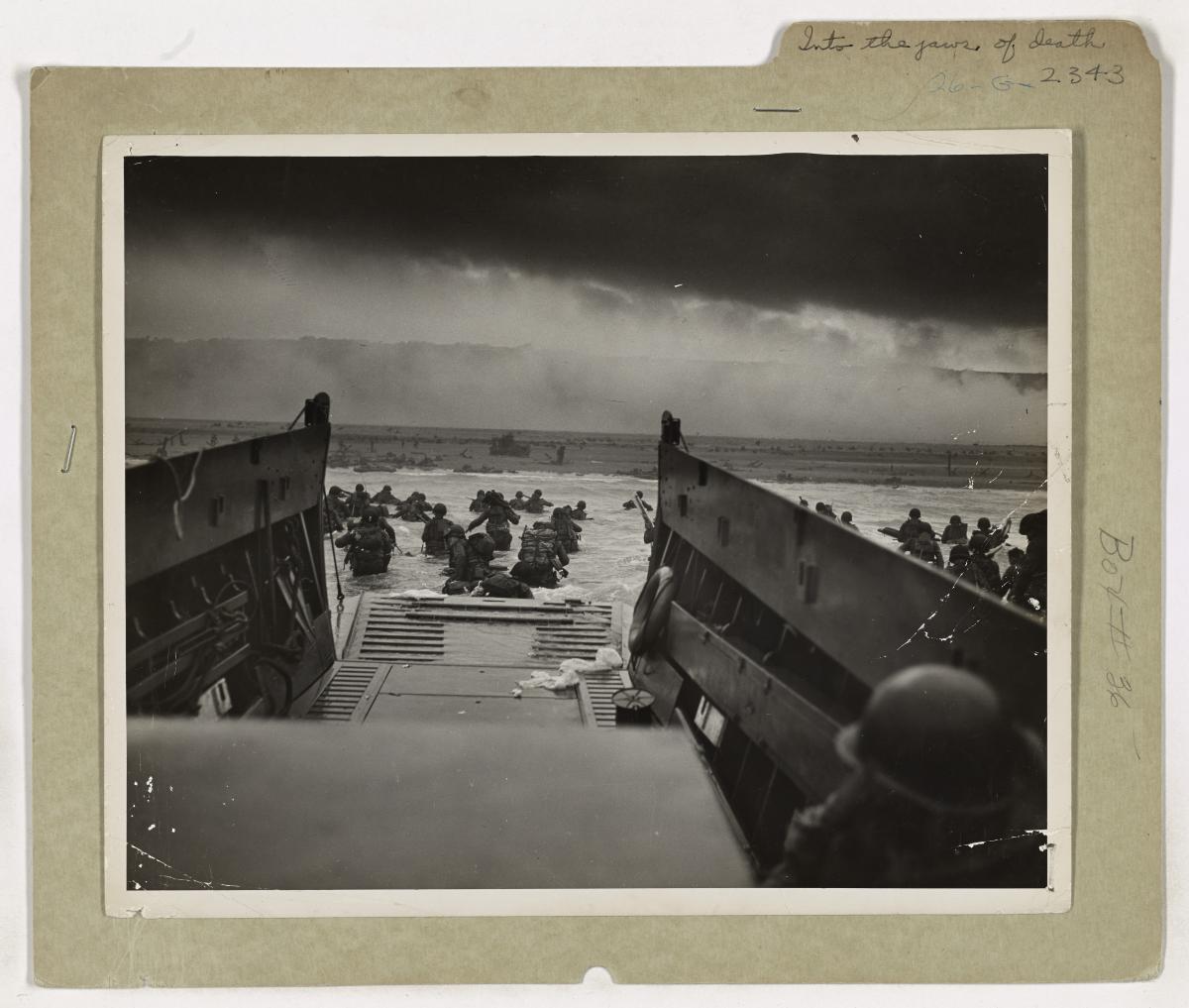
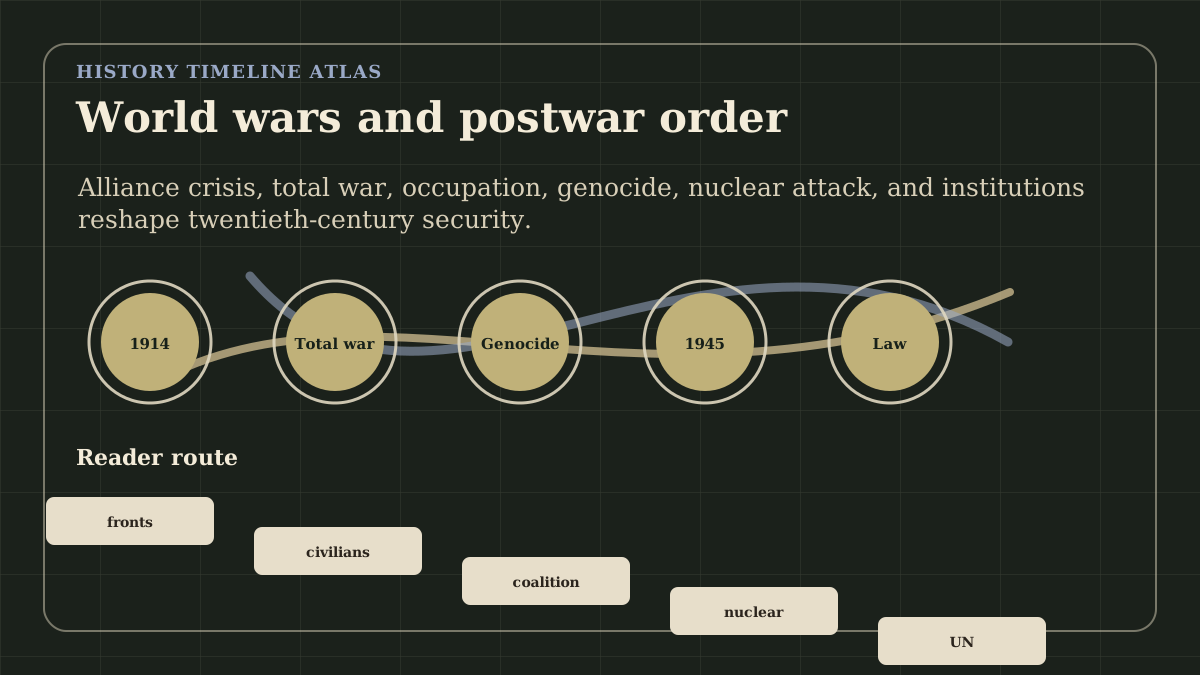
Start with pressure before 1939, then follow Poland, Leningrad, Pearl Harbor, Stalingrad, Warsaw, Okinawa, Hiroshima, the UN, and Nuremberg. The page treats victory, genocide, bombing, displacement, and law as one connected historical thread.
What caused the Cold War?
Begin with Yalta and Potsdam, then watch containment become money, planes, treaties, bases, proxy wars, protest movements, and nuclear rules. The answer is not one speech; it is a settlement that hardened across many places.
Why does 1492 matter in world history?
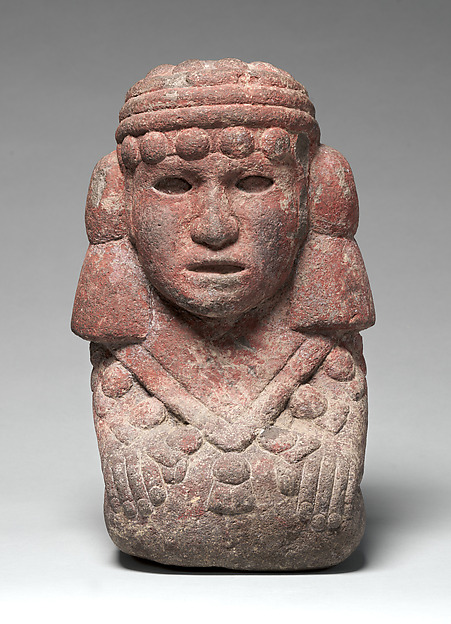
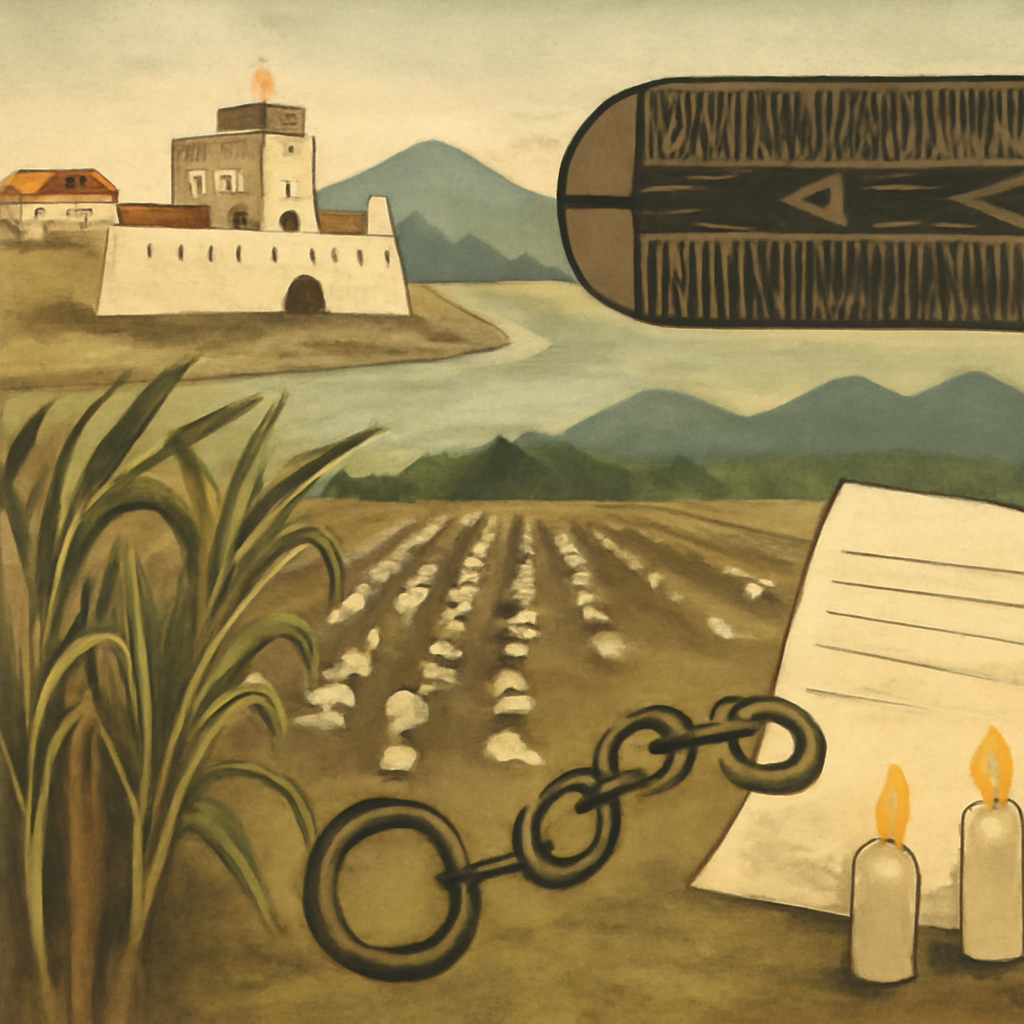
The year page begins in Taino worlds before it widens into Columbus, La Navidad, coercion, Atlantic crossings, Indigenous catastrophe, and later arguments over discovery, conquest, exchange, and memory.
How did Islam begin?
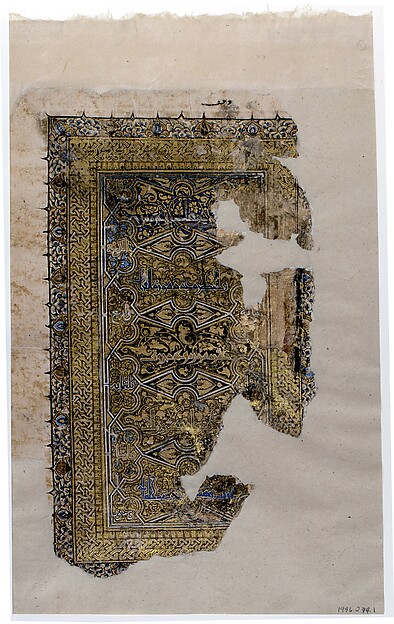
The path starts with Hira, Khadija, Meccan pressure, the Hijra, Medina, worship, treaty, conflict, and community. It keeps Muslim sacred meaning visible while marking what historical sources can and cannot answer.
How did decolonization change Africa?
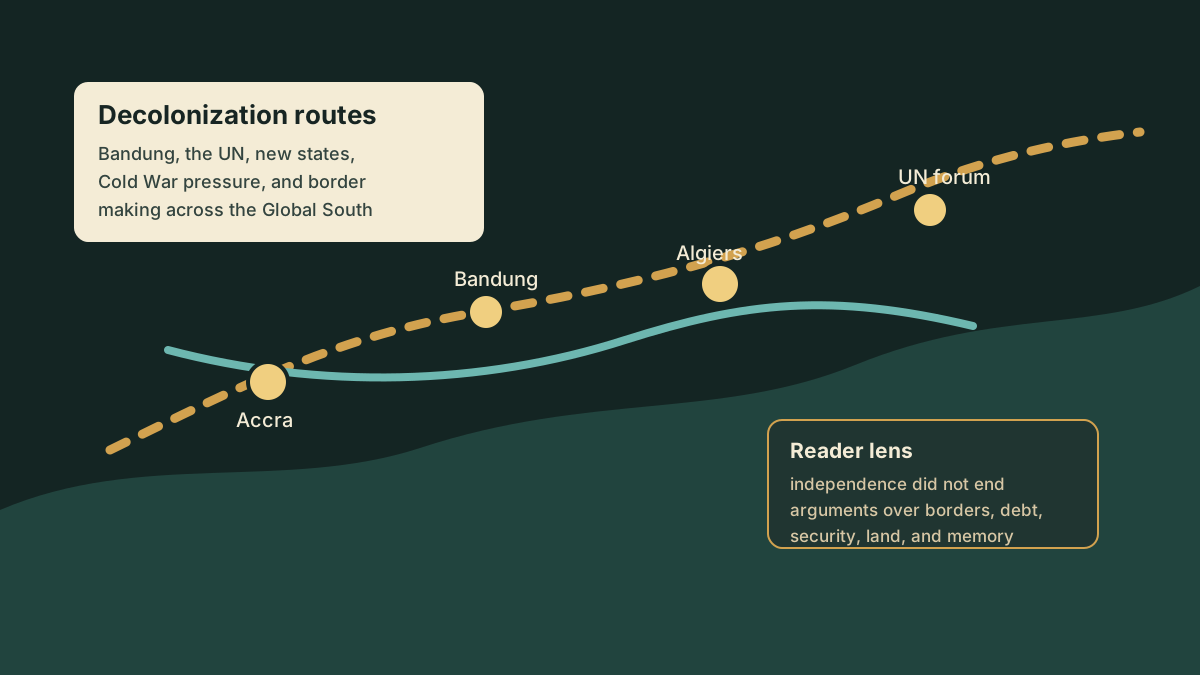
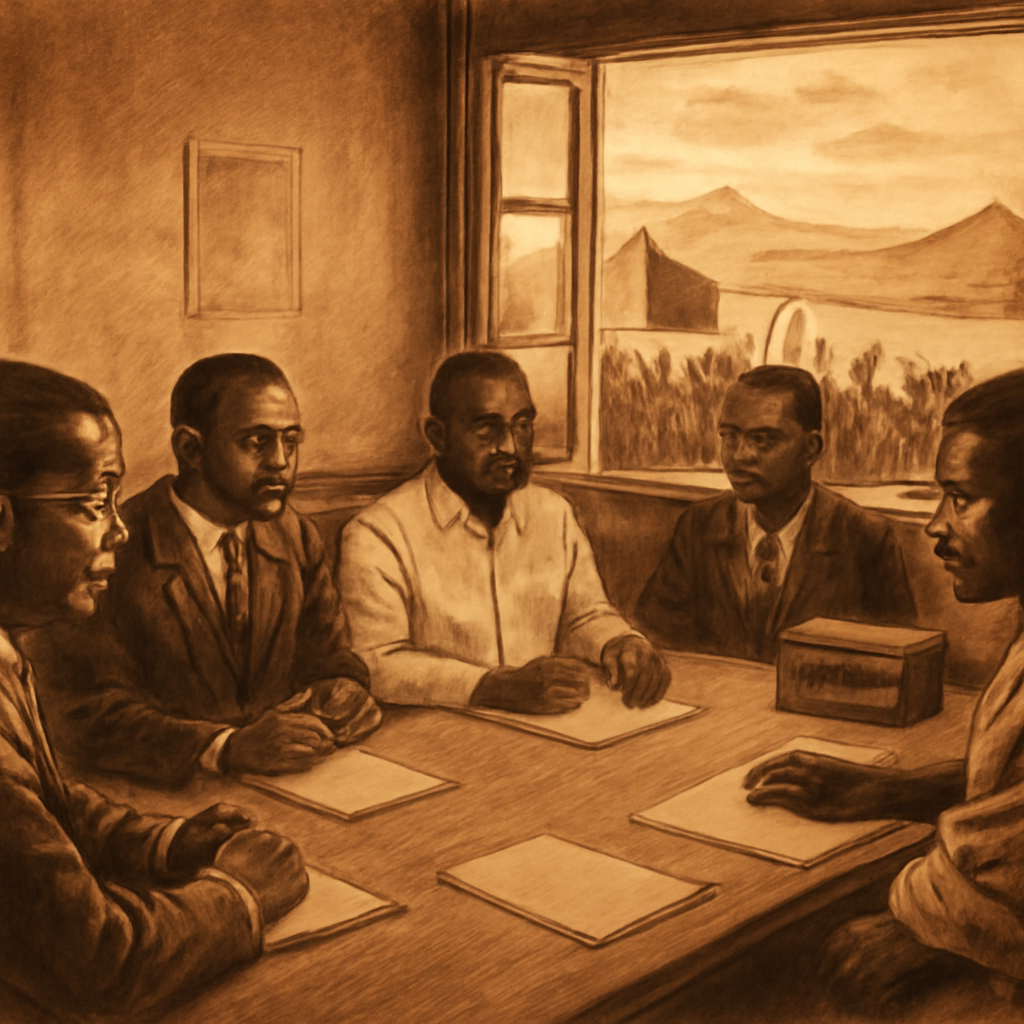
Follow Accra, Conakry, Algiers, Kinshasa, Luanda, Maputo, Soweto, Kigali, Asmara, and Johannesburg to see independence as organizing, voting, armed struggle, trauma, memory, and institution-building.
Where does science history begin?
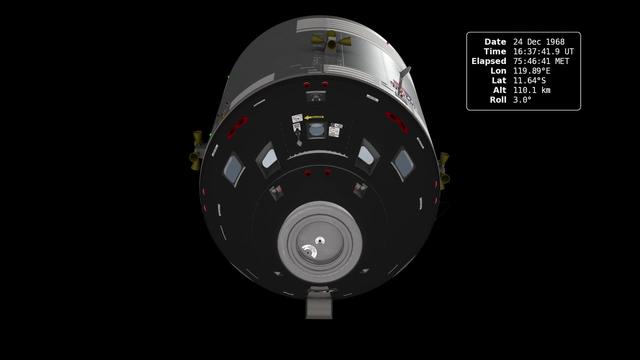
Open Baghdad, Pacific navigation, print, vaccination, steam, Darwin, rail, spaceflight, Chernobyl, genomics, and COVID-19 as a history of knowledge, infrastructure, risk, and public trust.
How claims stay checkable
High-entry pages point to museums, archives, official collections, university projects, primary-source readers, and specialist references. The source list is there so a reader can see which claim is being steadied, not just that a bibliography exists.
What makes a timeline worth reading?
A useful timeline gives order, then keeps asking better questions: what changed, who had power, who paid the cost, which source proves the claim, and which next page changes the meaning of the date.