At a Glance
The shape of the event
- Date
- c. 550 BCE
- Place
- Persis
- Type
- Imperial Founding
Cyrus the Great built the Achaemenid Empire from a Persian power base, creating an imperial system that connected Iran, Mesopotamia, Anatolia, and Central Asia.
c. 550 BCE; place the event in Persis before comparing causes or consequences.
Achaemenid rule became a major model for roads, satrapies, royal ideology, and cross-regional imperial administration.
Cyrus the Great are the first names or groups to compare before widening the story.
A new Persian imperial order emerged as one of the largest political systems of the ancient world.
A new Persian imperial order emerged as one of the largest political systems of the ancient world.
Achaemenid rule became a major model for roads, satrapies, royal ideology, and cross-regional imperial administration.
If this founding moment interests you, follow the routes it created: administrative inventions such as provincial governors (satraps), the pathways that connected capitals and frontiers, and the shifting relationship...
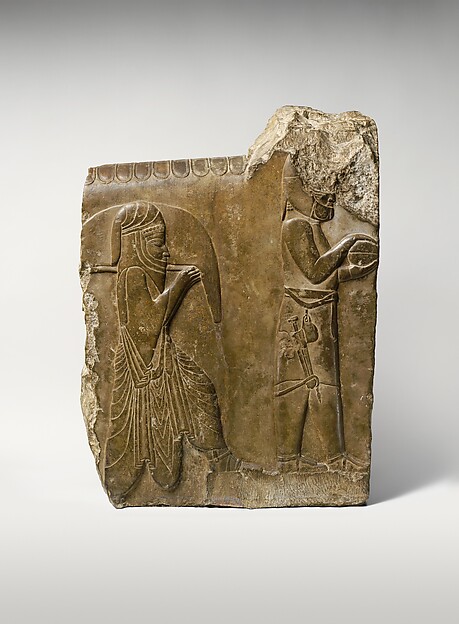
Background
Persis, on the Iranian plateau, provided the base from which a new polity expanded in the mid-first millennium BCE. The region lay at crossroads of settled agricultural zones and long-distance trade routes; its communities experienced seasonal demands, local rivalries and regular contact with neighboring states. These pressures did not point to a single inevitable outcome. Rather, a mix of military opportunity, economic incentives and administrative challenges made large-scale rule both attractive and difficult. Communication over long distances required new arrangements for roads, courier systems and delegation of authority. Different peoples under a growing Persian center brought distinct languages, legal customs and fiscal expectations.
Scholars debate how much the empire’s shape owed to the decisions of leaders versus deeper structural forces—ecology, trade patterns and preexisting institutions. This page keeps those debates visible: the Achaemenid Empire emerged where individual initiative met practical constraints, not from either alone. The founding of the Achaemenid Empire is richer than the image of Cyrus simply conquering neighbors. The Iranian plateau contained shifting alliances, Median power, Persian lineages, pastoral and settled communities, and routes that connected Mesopotamia, Anatolia, Central Asia, and the Gulf.
Cyrus's rise created a new imperial language of rule: conquest paired with negotiation, local elites kept in place when useful, religious and civic traditions respected when strategic, and roads and tribute systems expanded to hold distant regions together. The Achaemenids did not erase the diversity of their empire. They governed through it.
The Turning Point
Around c. 550 BCE Cyrus the Great transformed a regional Persian authority into an imperial system recognizable across a vast region. The concrete changes were institutional as much as territorial. Cyrus and his circle pursued campaigns and diplomatic openings that linked several major regions—bringing together Iran, Mesopotamia, Anatolia and parts of Central Asia under a single political framework. That framework relied on practical devices: provinces administered through delegated governors, regularized channels for resource extraction and message traffic, and an evolving royal rhetoric that justified rule across cultural divides. Those were choices: to delegate rather than directly administer every locality; to adapt rather than replace local elites; and to bind distant provinces with systems of accountability.
At the same time, these decisions responded to pressing logistical realities—distance, communication limits and local diversity—that shaped what kinds of institutions could work. Historians still argue about emphasis: was the empire the product of an especially capable founder or the expected result of long-standing regional dynamics? The evidence invites a combined reading: decisive leadership implemented administrative solutions that structural conditions made possible and necessary. Cyrus's victories over the Medes, Lydians, and Babylonians turned a regional power into an imperial system. The fall of Babylon in 539 BCE later became especially important because Babylonian, Jewish, Greek, and Persian memories all interpreted it differently.
The Cyrus Cylinder is often invoked as evidence of tolerance, but a careful reading treats it as royal propaganda within Mesopotamian traditions as well as a clue to policy. The practical turn was administrative: satraps, tribute, roads, garrisons, seals, archives, and royal communication made conquest durable. The empire's achievement was not only winning battles but making distant obedience thinkable.
Consequences
In the near term, the establishment of the Achaemenid order created a single political horizon across large parts of the ancient Near East. That made possible more predictable long-distance exchange, the movement of official envoys and the collection of resources on a scale that regional polities had rarely sustained. Administratively, the empire tested and stabilized methods—dividing territory into governed districts, creating routes for communication, and articulating a royal ideology able to address varied populations. Over the long term, these practices left a durable imprint: later rulers looked to similar techniques for holding multiethnic territories together, and historians trace the Achaemenid example in studies of imperial governance.
Importantly, the consequences were not uniform: local societies continued to preserve customs and institutions beneath the imperial framework, and the balance between central control and local autonomy shifted over time and place. The formation of this imperial order thus opened a prolonged conversation—between central power and regional particularity—that shaped political life across the region for centuries. The Achaemenid model shaped later empires by showing how scale could be managed through layered authority. Local customs could remain while imperial taxes, military obligations, and royal commands linked provinces to the center. This system made the empire resilient, but it also depended on negotiation with powerful regional actors.
Greek writers often described Persia through the lens of rivalry; Near Eastern evidence shows more administrative texture. The empire's founding therefore gives readers a way to compare imperial perspectives: court inscription, subject community, foreign enemy, and later historian each sees a different empire. Its importance lies in how it made diversity governable across enormous space.
Interpretation Notes
The memory of Achaemenid Empire Founded often depends on who tells the story. A court, army, religious community, merchant network, or later nation can emphasize different causes and make Persis stand for different lessons.
Why Keep Reading
If this founding moment interests you, follow the routes it created: administrative inventions such as provincial governors (satraps), the pathways that connected capitals and frontiers, and the shifting relationship between imperial centers and local communities. Reading what happened next—how the new order managed diversity, reacted to rebellion, and negotiated the different legal and cultural expectations of its subjects—reveals the practical problems of sustaining an empire. You’ll also encounter the continuing debate over agency and structure: did institutions outlast their founders, or did leaders continually reinvent them? These questions link this event to later episodes in regional history and to comparative studies of empire around the world.
Read next into Persepolis, the Royal Road, Greco-Persian wars, Alexander's conquest, and comparisons with Rome or Han China. The Achaemenid route is one of the best places to study empire as administration, not just expansion.
Reading Path
Follow the story without losing the thread
Before This
No direct path yet.
After This
Same Period
Wider Timeline
Mind Map
How to think about Achaemenid Empire Founded
geographic crossroads
Persis sat at the intersection of agricultural zones and long-distance routes that favored larger polities
Map Layer
Where this event sits geographically
Gold pins mark the approximate locations of published event pages. This is a schematic locator map, not a historical border map.
Coordinates are approximate and are used to help readers orient themselves before opening a full event page.
References
Where to Check the Facts
- Encyclopaedia Britannica: Achaemenid EmpireSpecific reference for the Achaemenid Empire's chronology, founder, territory, and imperial system.
- Encyclopaedia Britannica: Cyrus the GreatBiographical reference for Cyrus as founder of the Persian imperial order.