At a Glance
The shape of the event
- Date
- December 2010
- Place
- Tunisia
- Type
- Protest Movement
Protests in Tunisia spread into a wider regional wave against authoritarian rule, corruption, unemployment, and police abuse.
December 2010; place the event in Tunisia before comparing causes or consequences.
The Arab Spring changed political expectations and conflicts across North Africa and the Middle East.
Mohamed Bouazizi / Tunisian protesters are the first names or groups to compare before widening the story.
Tunisia's president fell, and uprisings, reforms, crackdowns, and wars followed across the region.
Tunisia's president fell, and uprisings, reforms, crackdowns, and wars followed across the region.
The Arab Spring changed political expectations and conflicts across North Africa and the Middle East.
If you want to understand politics across North Africa and the Middle East in the decade that followed, start here.
Background
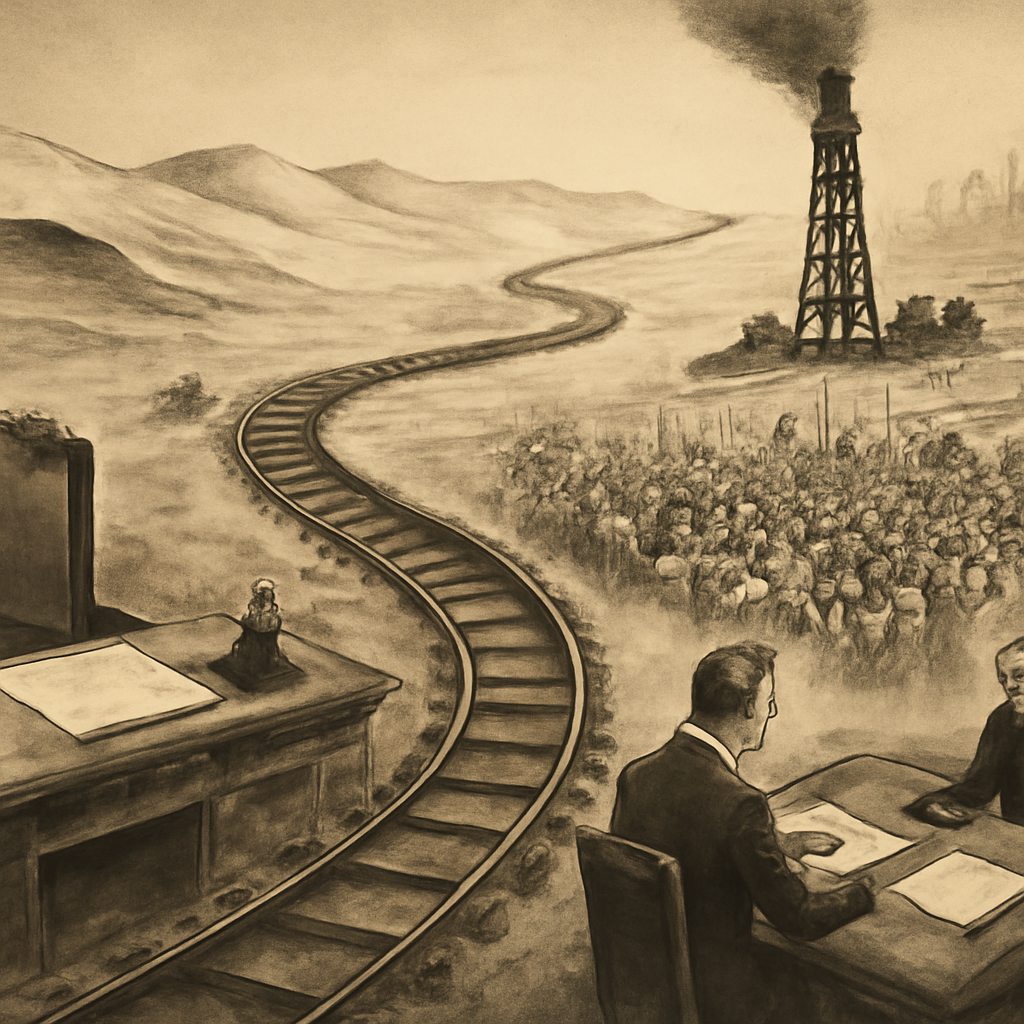
Across Tunisia and neighboring countries before December 2010, everyday life was strained by predictable pressures. Authoritarian governments concentrated political power and limited visible avenues for lawful dissent. Economies left many young people without steady jobs; corruption became an ordinary part of business and access to opportunity. Security forces exercised broad powers, and police abuse was a frequent complaint. For many people these were not new grievances but layered frustrations: expectations for dignity, reliable work, and fair treatment had long been unmet. At the same time, historians and analysts disagree over how to explain the eruption of mass protest. Some emphasize individual decisions—a single act of resistance by a person who refused to accept humiliation can catalyze broader mobilization.
Others point to deeper structural forces: long-term economic exclusion, political repression and institutional failures that made large-scale protest more likely. This page keeps those debates visible. It does not treat one explanation as final. Instead it presents the immediate pressures that shaped public moods and the political structures and social conditions that set the stage for a rapid spread of demonstrations from Tunisia into the wider Middle East and North Africa in December 2010. The Arab Spring began with protest against humiliation, corruption, police abuse, unemployment, authoritarianism, and blocked futures. Tunisia's uprising after Mohamed Bouazizi's self-immolation became a regional signal because many societies recognized similar grievances even though their political systems differed.
The movement spread through streets, unions, mosques, social media, satellite television, families, and local organizing. It was not a single ideology or one regional script. Each country had its own institutions, security forces, economic pressures, opposition networks, and international constraints.
The Turning Point
The turning point began with Mohamed Bouazizi's public act of protest in December 2010 and the choices that followed. His gesture became a rallying symbol for Tunisian protesters already fed up with daily humiliations and economic marginalization. Protesters took to streets and public spaces in numbers that surprised local authorities; they confronted checkpoints, municipal offices and symbols of state power with chants, marches and occupations. The authorities faced a series of choices: to negotiate, to make limited concessions, to reform, or to use force to suppress demonstrations. In Tunisia those choices did not stabilize the situation. The cumulative weight of demonstrations and the decisions of security forces and political leaders led to the fall of Tunisia's president.
As news and images of the uprising circulated, protesters elsewhere in North Africa and the Middle East recognized resonances with their own grievances. Local activists and citizens in other countries chose to stage their own protests, sometimes inspired by shared slogans and demands about dignity, jobs and an end to corruption and abuse. The event therefore shifted political calculation: what had been isolated, private discontents became collective, public claims on power. That change—an individual protest becoming mass mobilization and then a regional wave—constitutes the central turning point of December 2010. The turning point was the proof that an entrenched ruler could fall under public pressure.
Once Tunisia's Ben Ali fled, protest in other countries felt newly imaginable, even where outcomes later diverged sharply.
Consequences
In the months after December 2010 the immediate consequences were unmistakable and varied. In Tunisia sustained protest led to the fall of the president, creating a political opening that some actors used to pursue reforms while others scrambled to preserve power. Across the region the initial wave of uprisings produced a mix of outcomes: some governments faced uprisings and made concessions or promised change, while others responded with crackdowns. In several places unrest fed into deeper conflicts that at times escalated into violent confrontations and, ultimately, into wars in some countries. Over the longer term the Arab Spring altered political expectations and the landscape of conflict across North Africa and the Middle East.
Citizens came to expect that mass mobilization could force political change; political elites recalculated how to respond to protest, sometimes by restraining repression, sometimes by increasing it, and sometimes by proposing reforms. The results were uneven. Some societies experienced institutional reforms and new political actors; others saw renewed authoritarianism or prolonged instability. Scholars continue to debate the balance between contingent individual decisions and broader structural forces in producing these outcomes. The event's legacy endures precisely because it changed what people believed possible and because its consequences unfolded in different directions across the region. The consequences ranged from transition and counterrevolution to civil war, repression, constitutional debate, exile, and renewed authoritarianism.
The Arab Spring matters because it shows how hope can travel quickly while institutions, armies, and outside powers shape very different endings.
Interpretation Notes
Arab Spring Begins raises a debate about scale: did the decisive change come from the visible protest movement, or from older pressures around Arab Spring and Protest that had already narrowed what people could do?
Why Keep Reading
If you want to understand politics across North Africa and the Middle East in the decade that followed, start here. The Arab Spring's December 2010 rupture connects directly to later uprisings, negotiated transitions, authoritarian retrenchment, and armed conflicts. Following the timelines and stories linked to this moment helps explain why some countries pursued reform, why others descended into violence, and how citizens' expectations about dignity and governance shifted. Read on to trace the decisions by protesters, security forces and political leaders that shaped outcomes, and to compare competing explanations—individual agency versus structural pressures—that historians still argue over. Each choice, large or small, left legible traces in laws, institutions and conflicts that followed.
Continue to Tunisia, Egypt, Libya, Syria, Yemen, social movements, and modern Middle East routes to follow how shared protest produced divergent futures.
Reading Path
Follow the story without losing the thread
Before This
- Human Genome Project Completed2003 CE
- Iraq War BeginsMarch 2003
- September 11 AttacksSeptember 11, 2001
After This
- Syrian Civil War Begins2011 CE
- COVID-19 Pandemic DeclaredMarch 11, 2020
Same Period
- September 11 AttacksSeptember 11, 2001
- COVID-19 Pandemic DeclaredMarch 11, 2020
- Human Genome Project Completed2003 CE
Wider Timeline
Mind Map
How to think about Arab Spring Begins
Economic hardship
High unemployment and entrenched corruption created daily grievances and limited pathways to opportunity.
Map Layer
Where this event sits geographically
Gold pins mark the approximate locations of published event pages. This is a schematic locator map, not a historical border map.
Coordinates are approximate and are used to help readers orient themselves before opening a full event page.
References
Where to Check the Facts
- Encyclopaedia Britannica: Arab SpringSpecific reference for the Arab Spring protests, causes, regional spread, and authoritarian response.
- Encyclopaedia BritannicaBackground reference for chronology, names, and historical context.
- WikidataStructured reference for dates, places, alternate names, and entity links.