At a Glance
The shape of the event
- Date
- 1942-1943
- Place
- Stalingrad
- Type
- Battle
Soviet forces encircled and defeated a German army at Stalingrad after months of brutal urban combat and strategic overreach.
1942-1943; place the event in Stalingrad before comparing causes or consequences.
Stalingrad became a turning point in World War II and a symbol of endurance, destruction, and the scale of the Eastern Front.
Joseph Stalin / Friedrich Paulus are the first names or groups to compare before widening the story.
Germany suffered a major defeat, and the Soviet Union gained momentum on the Eastern Front.
Germany suffered a major defeat, and the Soviet Union gained momentum on the Eastern Front.
Stalingrad became a turning point in World War II and a symbol of endurance, destruction, and the scale of the Eastern Front.
Follow this story to trace how Stalingrad connects to campaigns that followed on the Eastern Front and to the wider politics of the Second World War.
Background
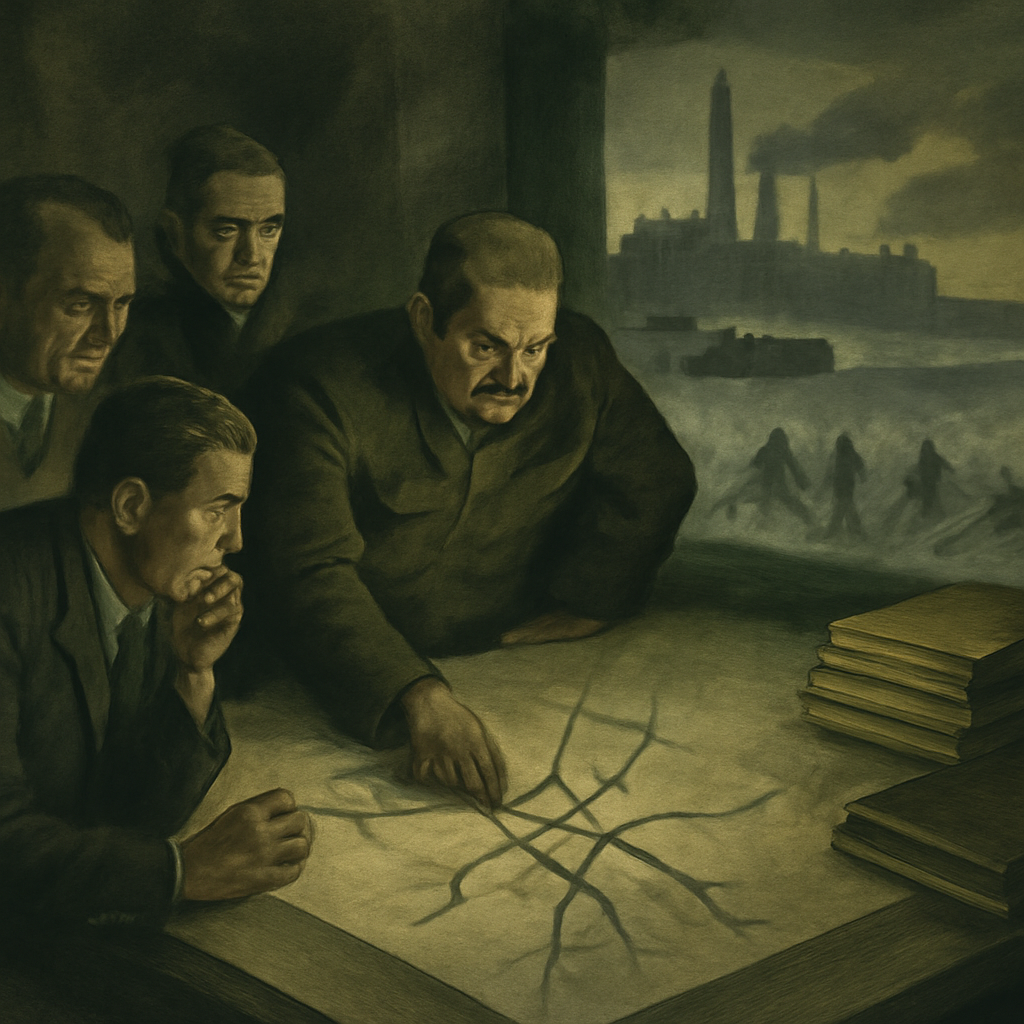
By mid-1942 the Eastern Front had already shown how vast distances, harsh climate and industrial capacity shaped campaigns as decisively as generals’ plans. German high command sought to secure the southern USSR to protect oil fields and deny Soviet industry; Stalingrad, an industrial and transport node on the Volga, became both a strategic objective and a symbolic target because of its name. For the Soviets, holding the city carried military and political urgency: defending river crossings, protecting supply routes, and resisting an enemy that had driven deep into Soviet territory.
These pressures intersected with operational realities—long supply lines for the Wehrmacht, the Red Army’s capacity to mobilize replacements and armour, and the urban landscape that negated some advantages of German maneuver warfare. Weather and attrition further narrowed options for both sides. Historians debate how much weight to assign to individual decisions—Hitler’s insistence on holding ground, Stalin’s directives, Paulus’s choices—versus structural forces like industrial output, transport bottlenecks and manpower. This page keeps those debates visible: the siege cannot be reduced to a single cause. Instead, it emerged where political imperatives, military ambition and the grinding arithmetic of logistics collided in a city that neither side could easily abandon. Stalingrad demands more than a turning-point label.
The battle grew from German strategy in the south, oil ambitions, Soviet industrial geography, urban defense, propaganda value, and the brutal logic of a war in which surrender and retreat carried political meaning. The city became a landscape of factories, ruins, cellars, river crossings, snipers, artillery, hunger, frost, and exhausted civilians. Reading that physical setting keeps the battle from becoming only arrows on a map.
The Turning Point
The turning point at Stalingrad arrived after months of grinding urban fighting when Soviet forces managed to encircle a German army that had fought deep into the city. On the ground, commanders faced stark choices: continue costly street-by-street combat, withdraw and cede ground, or risk overextension. Friedrich Paulus, commanding the encircled German army, and his subordinates confronted shrinking supplies and the moral weight of orders from above. Joseph Stalin and Soviet commanders, pressing counterattacks, chose to commit forces to close the ring and to prevent a German breakout. Urban warfare transformed the tactical map: ruined factories, riverbanks and shattered apartment complexes offered defenders concealment and channels for counterattack while eroding the advantages of mechanized assault.
The encirclement converted attritional fighting into a strategic catastrophe for the Germans by turning local losses into an inescapable trap. That shift did not erase uncertainty—communications faltered, relief attempts were debated, and soldiers on both sides endured desperate conditions—but it altered the campaign’s momentum. What had been a brutal contest over a city became, through encirclement and the choices of commanders, a decisive collapse of a field army that tilted the Eastern Front and history. The turning point was the Soviet encirclement in Operation Uranus. Once Axis flanks collapsed and the Sixth Army was trapped, the battle shifted from German advance to a costly demonstration of Soviet operational recovery.
Consequences
In the near term, the defeat at Stalingrad deprived Germany of a large field army and shattered the aura of invincibility that had accompanied earlier campaigns. For the Soviet Union, victory brought a palpable shift in initiative: Red Army forces went from stubborn defense to sustained offensive operations, and Soviet leadership could exploit the moral and material boost. The result halted German advances in the southern sector and made further strategic gains far more costly for the Wehrmacht. Over the longer term, Stalingrad became a hinge of the Eastern Front—a turning point that altered military balances, political calculations and wartime narratives.
The battle’s scale of destruction and the endurance of defenders turned Stalingrad into a symbol in Soviet memory and, for others, a cautionary emblem of ideological fanaticism and strategic overreach. Yet historians continue to debate how singular the battle was: some stress the decisive role of individual orders and command failures; others emphasize deeper structural factors such as industrial capacity, logistics and the mobilization of manpower. This account keeps such debates visible because the battle’s meaning depends both on immediate choices and on the larger forces that made those choices consequential. Its legacy shaped postwar politics, commemorations and how later armies studied urban and attritional warfare.
The consequences included enormous casualties, a psychological blow to Nazi Germany, strengthened Soviet confidence, and a clearer path toward a long western push. Stalingrad also became a memory site where sacrifice, state power, and civilian suffering were fused.
Interpretation Notes
The memory of Battle of Stalingrad often depends on who tells the story. A court, army, religious community, merchant network, or later nation can emphasize different causes and make Stalingrad stand for different lessons.
Why Keep Reading
Follow this story to trace how Stalingrad connects to campaigns that followed on the Eastern Front and to the wider politics of the Second World War. You’ll find how shifts in supply lines, leadership decisions and battlefield innovation reshaped subsequent operations. Read on to compare contested interpretations—whether the outcome rested chiefly on command choices or on deeper logistical and industrial forces—and to see how the battle’s memory was woven into postwar politics and culture. If you want concrete continuities rather than simple moral lessons, exploring linked battles, timelines of offensives and commanders’ correspondence will reward close reading. Start with nearby engagements and the year-by-year map to understand how momentum shifted.
Continue from Stalingrad to Operation Barbarossa, the Holocaust, Kursk, D-Day, and 1945 to follow the military and moral scale of the eastern front.
Reading Path
Follow the story without losing the thread
Before This
- Battle of MidwayJune 1942
- Battle of the Coral SeaMay 1942
- Wannsee ConferenceJanuary 20, 1942
After This
- Warsaw Ghetto UprisingApril-May 1943
- Battle of KurskJuly 5-August 23, 1943
- Tehran ConferenceNovember 28-December 1, 1943
Same Period
- Battle of BritainJuly-October 1940
- Operation BarbarossaJune 22, 1941
- Battle of MidwayJune 1942
Wider Timeline
Mind Map
How to think about Battle of Stalingrad
Logistics
German supply lines were stretched and attrition reduced combat effectiveness
Map Layer
Where this event sits geographically
Gold pins mark the approximate locations of published event pages. This is a schematic locator map, not a historical border map.
Coordinates are approximate and are used to help readers orient themselves before opening a full event page.
References
Where to Check the Facts
- National WWI Museum and Memorial: All About WWIMuseum reference hub for World War I chronology, maps, articles, and educational context.
- U.S. National Archives: World War I CentennialArchive reference hub for World War I records, photographs, documents, and educational resources.
- The National WWII Museum: Explore By TopicMuseum reference hub for World War II theaters, battles, home fronts, aftermath, and memory.
- Imperial War Museums: What You Need to Know About the Second World WarMuseum reference for the global war, civilian experience, military fronts, and consequences.