At a Glance
The shape of the event
- Date
- 1848
- Place
- French colonies
- Type
- Abolition Decree
The French Second Republic abolished slavery in French colonies and possessions, making emancipation part of the revolutionary upheaval of 1848.
1848; place the event in French colonies before comparing causes or consequences.
The event keeps French Caribbean and imperial abolition inside the Atlantic route rather than treating abolition as only British or United States history.
Enslaved people in French colonies / French abolitionists are the first names or groups to compare before widening the story.
Legal slavery ended in French colonies, though questions of compensation, labor control, citizenship, and colonial inequality continued.
Legal slavery ended in French colonies, though questions of compensation, labor control, citizenship, and colonial inequality continued.
The event keeps French Caribbean and imperial abolition inside the Atlantic route rather than treating abolition as only British or United States history.
Read this page next to Haiti, British abolition, the Thirteenth Amendment, Cuba, and Brazil.
Background
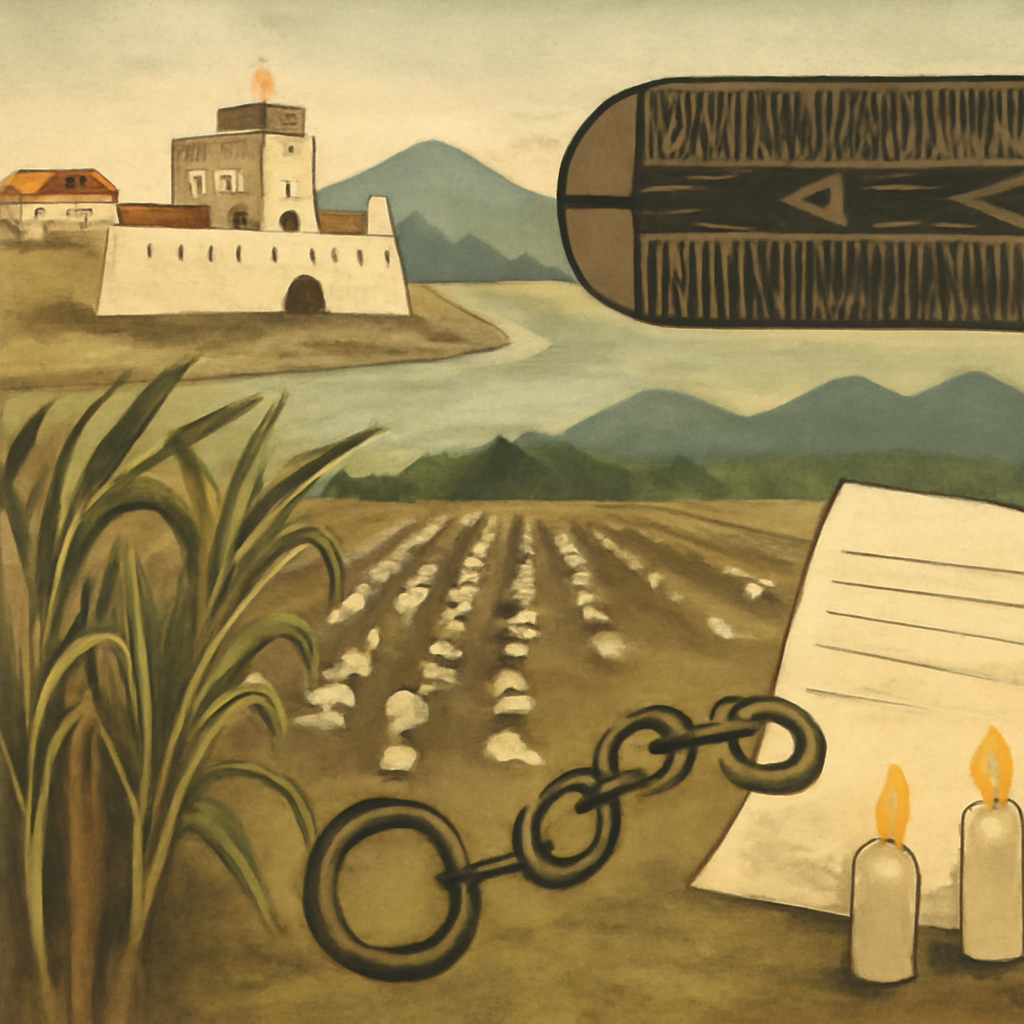
France had already passed through a complicated abolition history before 1848. The French Revolution abolished slavery in 1794 after upheaval in Saint-Domingue and pressure from enslaved and free Black actors, but Napoleon restored slavery in 1802 in several French colonies. That reversal made later abolition more than a policy reform; it was an argument over whether revolutionary rights language could survive colonial profit. By the 1840s, French colonies still depended on coerced plantation labor and racial hierarchy, while abolitionists and Black communities pressed against the system in law, print, politics, churches, and everyday resistance. The Second Republic's decree therefore entered a tense imperial field.
Planters feared labor loss and property claims; abolitionists wanted immediate emancipation; colonial administrations worried about order; enslaved people cared about freedom in the most concrete terms: movement, family, wages, punishment, land, and recognition. France's 1848 abolition is more powerful when read as a second abolition. The French Revolution had already abolished slavery in 1794, and Napoleon's restoration of slavery in 1802 left a moral and political fracture inside French republican memory. The Second Republic's decree therefore reopened a question France had failed to settle: could universal liberty survive contact with colonial profit? The colonies were not passive recipients of metropolitan law.
Enslaved people, free people of color, workers, sailors, soldiers, religious communities, abolitionists, planters, and colonial officials all shaped the pressure around emancipation. The legal decree mattered because it changed status, but the lived meaning of freedom depended on labor contracts, land access, policing, family security, wages, and racial hierarchy. The event also helps readers compare Atlantic abolition without flattening it. Haiti destroyed slavery through revolution; Britain moved through staged legal abolition and compensation; France tied abolition to republican rupture; the United States ended slavery through civil war and constitutional amendment; Cuba and Brazil abolished later under different plantation and imperial pressures.
The Turning Point
The turning point was legal and symbolic at once. The 1848 decree abolished slavery in French colonies and possessions, banned corporal punishment and sale of non-free persons after promulgation, and made emancipation part of republican legitimacy. That legal language mattered because colonial slavery had been protected by documents, courts, police, compensation claims, and administrative routines. A decree could not by itself create land, safety, political equality, or fair wages, but it removed the legal category that made people ownable. The event also forced French republicanism to answer a question it had long evaded: if liberty was a universal principle, why had it stopped at the edge of plantation colonies?
The answer arrived through law, but the pressure behind it came from decades of revolt, fear, organizing, argument, and memory. The turning point was the Second Republic making abolition part of republican legitimacy. The decree did not solve colonial inequality, but it made slavery legally incompatible with the new political language France claimed to represent. A second turning point was imperial accountability. The decree forced the French state to act across its colonies and possessions, making freedom a question of administration, enforcement, compensation, labor control, and citizenship rather than a slogan alone.
Consequences
The consequences were immediate and incomplete. Enslaved people became legally free in French colonies, but emancipation did not erase plantation power, racism, unequal property ownership, or colonial government. Former enslavers sought compensation and labor control; freed people sought family security, mobility, work on better terms, religious and civic recognition, and protection from renewed coercion. The French case also widens the reader's map of abolition. Britain abolished slavery in much of its empire in 1833, the United States abolished slavery after civil war in 1865, Cuba ended legal slavery in 1886, and Brazil followed in 1888. France's 1848 decree belongs between these landmarks because it shows emancipation as an Atlantic sequence with different laws, languages, and afterlives.
Legal freedom was essential, but every abolition society then had to fight over the meaning of freedom in daily life. The immediate consequence was legal freedom for enslaved people in French colonies and possessions. That freedom was essential, but it entered societies where former enslavers still held land, influence, racial privilege, and claims for compensation. The longer consequence was a continuing struggle over post-emancipation life. Freed people sought family autonomy, mobility, work on different terms, public dignity, and protection from renewed coercion. France's abolition therefore belongs both to legal history and to the social history of freedom after slavery.
Interpretation Notes
Interpretations of France Abolishes Colonial Slavery depend on whose evidence is centered: rulers and official records, affected communities, oral memory, archaeology, law, diplomacy, labor, and later public memory do not always tell the same story.
Why Keep Reading
Read this page next to Haiti, British abolition, the Thirteenth Amendment, Cuba, and Brazil. The comparison shows why abolition cannot be reduced to a single moral awakening or one national narrative. France brings republican universalism and colonial contradiction into the same frame; Haiti shows enslaved revolution destroying slavery and empire; Britain shows trade abolition and slavery abolition as staged processes; the United States shows emancipation through war and constitutional change; Cuba and Brazil show how slavery survived deep into the late nineteenth-century Americas. The stronger reading path asks how law, labor, race, citizenship, land, compensation, and memory changed at different speeds after slavery ended. Read this page with Haiti, British abolition, the U. S.
Thirteenth Amendment, Cuban abolition, and Brazil's Golden Law. That path turns abolition into a comparative Atlantic history of law, labor, race, empire, and memory.
Reading Path
Follow the story without losing the thread
Before This
After This
- American Civil War BeginsApril 12, 1861
- Emancipation ProclamationJanuary 1, 1863
- Thirteenth Amendment Ratified1865
Same Period
- Cuba Abolishes Slavery1886
- Haitian Revolution Begins1791 CE
- American Civil War BeginsApril 12, 1861
Wider Timeline
Mind Map
How to think about France Abolishes Colonial Slavery
Second Republic
The revolutionary political setting in France gave abolition new legal and symbolic force.
Map Layer
Where this event sits geographically
Gold pins mark the approximate locations of published event pages. This is a schematic locator map, not a historical border map.
Coordinates are approximate and are used to help readers orient themselves before opening a full event page.
References
Where to Check the Facts
- The National Archives: British transatlantic slave trade recordsOfficial research guide reference for British slave-trade records and digitised legislation including the Abolition of the Slave Trade Act 1807 and Slavery Abolition Act 1833.
- Official archive: Emancipation ProclamationReference for the United States Emancipation Proclamation and its legal setting.
- Legifrance: French abolition decree, 1848Official legal reference for the 1848 abolition of slavery in French colonies and possessions.
- Gilder Lehrman Institute: Frederick Douglass, 1852Primary-source teaching reference for Douglass's abolitionist Fourth of July address.
- Yale Archives: Cuban slavery collectionArchival reference for Cuban slavery and the 1886 abolition date.
- Encyclopaedia Britannica: William WilberforceBiographical reference for Wilberforce, parliamentary abolitionism, the 1807 slave-trade abolition, and the 1833 slavery abolition act.
- Encyclopaedia Britannica: Slavery Abolition ActReference for British abolition of slavery in much of the empire.
- Library of Congress: U.S. History Primary Source TimelinePrimary-source timeline reference for Atlantic settlement, colonial expansion, reform, and later U.S. history paths.