Historical Role
Begin in Mecca before later empire, law, and world history enter the scene. According to Islamic tradition, Muhammad was near Hira around 610 CE when the first revelation began, then returned home shaken and was steadied by Khadija. The remembered opening is household trust before public power.
Reader respect note: many Muslim readers say blessings or honorifics when naming Muhammad. This article uses concise historical naming for headings, links, and repeated references, but that choice does not replace or question devotional practice. Blessings, formulas of praise, and reverent naming remain proper and meaningful in Muslim religious contexts.
Short answer for general readers: Muhammad's life matters because a message first preached in Mecca became the foundation for a worshiping community in Medina and then for a much larger Islamic civilization. The story is about revelation and sacred memory for Muslims; it is also about households, migration, leadership, law, conflict, teaching, and the afterlife of a founding life.
Read the life in five movements: the Meccan period, from birth around 570 to preaching and opposition after 610; the Hijra in 622; the Medinan period from 622 to 632; death and succession in 632; and later memory through caliphates, law, scholarship, pilgrimage, trade, and devotion.
Mecca belonged to a wider late antique world. Byzantine and Sasanian power shaped the region around Arabia, while Arabian Jewish and Christian communities, pilgrimage networks, Red Sea trade, caravan routes, and local sanctuaries made western Arabia more connected than a desert-margin map can suggest.
Mecca was also a city of households, sanctuary, trading trust, clan protection, and local sacred authority. A public message about one God, judgment, charity, and accountability therefore touched daily relationships: who owed help, who held status, who was safe, and who could speak.
For Muslims, Muhammad is the Messenger of God, the recipient of revelation, and a revered model for worship, conduct, law, family life, and community. Historical overview can explain setting, sources, leadership, and later consequences without trying to prove or disprove sacred truth.
Picture the life through ordinary settings as well as famous turning points: a Meccan market where trust mattered, a household where Khadija offered reassurance, a migrant welcomed in Medina, a charity obligation discussed in public, and a dispute settled before it became a wider rupture.
Muslim devotional memory also emphasizes character before power: trustworthiness, mercy, care for the poor and orphaned, patience under insult, generosity, and concern for right conduct in ordinary life. Those qualities are not decorative side notes for Muslim readers. They are part of why the biography became a model for prayer, ethics, family teaching, law, poetry, and daily imitation.
Muslim perspectives are diverse from the start. Sunni, Shi'i, Ismaili, Ibadi, and Sufi traditions share reverence for Muhammad while differing in emphasis around companions, the Prophet's family, imamate, just leadership, law, spiritual emulation, and devotional practice. Those differences matter most when memory, authority, and emulation enter the story.
One textual anchor gives the scene its force: Qur'an 96:1 is often rendered, 'Read in the name of your Lord.' The translation varies, but the remembered movement is concrete: Hira, fear, return home, Khadija listening, and reassurance based on character before public power enters the story.
Short textual anchors keep the page close to Muslim sources without turning it into a sermon. The opening command often translated as 'Read' or 'Recite' points to revelation; Qur'anic teaching on charity, orphan care, prayer, judgment, and accountability helps explain why ordinary conduct stays beside public leadership in Muslim memory.
The evidence is layered. Qur'an 96:1-5 anchors the sacred text for Muslims; sira tradition supplies the Hira and Khadija household scene; modern historical study asks what can be said about Mecca, Medina, and the early community from those materials and their transmission. Oxford, Cambridge, and Harvard-linked scholarship help steady the source trail.
Later Muslim biographical tradition presents protection as personal before it became institutional. Early believers, hostile listeners, family ties, patrons, and vulnerable followers appear inside a city where a lost protector or offended clan could change what was safe. The biography therefore stays with households, kin, sanctuary, and migration before it widens toward empire.
The Hijra in 622 is the hinge. For Muslims, migration from Mecca to Yathrib, later Medina, is sacred history as well as the start of a new communal calendar. It also moved the community into a mixed oasis setting where migrants, local supporters, Jewish clans, neighboring groups, treaty obligations, worship, charity, arbitration, and defense had to be organized together.
In Medina, reports about migrants, local allies, treaties, dispute settlement, worship, charity, and defense show practical community formation. A migrant needed shelter, a local ally had obligations, and a community needed rules for belonging. The story is food, trust, fear, prayer, market conduct, and people learning who could rely on whom.
Conflict also made leadership public. Early biographical sources present Badr in 624 as danger and survival, Uhud as pain and testing, and Hudaybiyyah as a treaty moment where delay, wording, and disappointed pilgrims became part of political patience. These episodes sit beside Meccan opposition, caravan politics, Medinan alliances, and the risks of a young community under pressure.
Medina also requires proportion. Early biographical sources discuss Jewish clans, local allies, Meccan opponents, treaties, punishment, and armed conflict as part of seventh-century Yathrib and Medina politics. These are accounts of a particular local settlement and its alliances. They are not templates for later Jews, Christians, Muslims, or interreligious relations.
The local setting matters. Yathrib/Medina was a settlement of clans, palm groves, markets, allies, clients, migrants, and neighboring groups, including Jewish clans with their own standing and alliances. In that setting, sira traditions report conflict with Banu Qaynuqa after a breakdown in relations, the expulsion of Banu Nadir after an alleged security crisis, and a severe punitive episode involving Banu Qurayza after the trench siege. Modern historians debate the reports, source layers, numbers, legal meaning, treaty context, and later polemical uses. These accounts belong to a specific seventh-century alliance and security setting, not to later communities.
Description is not prescription. These Medina reports are not templates for later interreligious judgment, and they must not be used to justify hostility toward Jews, Christians, Muslims, or any other community in the present.
Badr, Uhud, the trench crisis, Hudaybiyyah, and later expedition reports are presented first as Muslim tradition and sira/hadith memory, then compared with modern historical analysis. The page does not ask readers to choose between praise and accusation. It asks which source family is speaking, what the report is trying to explain, and how much confidence a historical reconstruction can carry.
Family law needs the same care. In Muslim tradition, Muhammad's marriages and household life became religiously meaningful for later communities. Historical biographies ask how reports about polygyny, inheritance, wives, slavery in seventh-century Arabia, and reports about Aisha were transmitted and used by later legal and polemical writers. These topics appear here for source clarity, not because they define the whole biography.
The sensitive source trail stays close to the paragraph. Ibn Ishaq/Ibn Hisham carry much of the sira memory; U. Rubin and Cambridge material help with Medina and community documents; Ayman S. Ibrahim helps with expedition reports; Kecia Ali helps with modern biography, gender, devotion, and polemical memory.
The biography also needs quieter scenes after the famous turning points. Prayer rows, market fairness, hospitality to migrants, care for orphans and the poor, settlement between disputing groups, charity, travel between Mecca and Medina, and family teaching all help explain why Muslims read the life as guidance for ordinary conduct as well as for public leadership.
Internal Muslim differences are named where they change memory, law, authority, or devotional emphasis. Sunni materials often stress companions, hadith transmission, and the early caliphs; Shi'i and Ismaili materials give special weight to Ali, Fatima, the Prophet's family, and imamate; Ibadi traditions stress just leadership and communal accountability; Sufi traditions often emphasize spiritual emulation and blessing. The point is not to rank those readings, but to show readers why one Muslim tradition can share reverence while preserving different schools, lineages, and memories.
Succession belongs after the lifetime. Sunni, Shi'i, Ismaili, Ibadi, and Sufi traditions all revere Muhammad, but they do not tell one identical story about authority after 632. Succession opened questions that later shaped theology, law, empire, ritual loyalty, and communal identity.
Islamic tradition treats the final pilgrimage as a public teaching moment about worship, obligation, community, and moral accountability. Because the exact wording of farewell-sermon reports varies across transmission, historical writing treats the episode as transmitted instruction rather than as a single transcript.
The interpretive choice here is simple: do not draw a straight line from revelation to empire. The more useful contrast is between a vulnerable Meccan preaching circle, remembered in Muslim tradition through revelation and household trust, and a Medinan community that had to organize worship, alliance, security, charity, arbitration, conflict, and public discipline under pressure.
Thin evidence areas are named instead of hidden. The early Meccan years, intimate household scenes such as Khadija's reassurance, the exact order of some preaching episodes, Medinan conflict details, and succession reports depend heavily on later sira and hadith layers. The broad public career in Mecca and Medina is firmer than every transmitted detail.
The historical arc is therefore concrete but cautious: Mecca around 570, first revelations near Hira around 610, the Hijra to Medina in 622, conflict and treaty in the 620s, the final pilgrimage and death in 632, and a much larger afterlife through caliphates, law, scholarship, trade, pilgrimage, language, and devotional memory.
Stay with the rooms and streets as long as possible. In Mecca, protection could mean a household door, a clan patron, a trusted listener, or a risky public recitation. In Medina, it could mean lodging for migrants, treaty language among groups, watches near the settlement, market rules, prayer, charity, and decisions about defense.
Muslim devotional memory also keeps character close to chronology. Muhammad is taught as al-Amin, the trustworthy one, and as a model of mercy, patience, care for the poor, concern for orphans, and moral restraint. That is why the life is read not only for dates, but for how to pray, give, speak, forgive, lead, and live with others.
A few scenes carry the lifetime without turning it into a list: Hira and Khadija before public preaching; the Hijra as migration into community; Badr and Uhud as danger remembered through endurance and testing; Hudaybiyyah as restraint under disappointment; the final pilgrimage as public instruction; and 632 as the moment when succession, memory, law, and communal authority widened beyond the lifetime.
Medina remains local and bounded. Banu Qaynuqa, Banu Nadir, and Banu Qurayza are treated as specific groups in reported seventh-century Yathrib/Medina conflicts involving alliance, security, treaty obligations, and later legal memory, not as symbols for Jews or Jewish communities across time.
The short version for readers is careful rather than vague: sira traditions report a breakdown with Banu Qaynuqa, the expulsion of Banu Nadir after an alleged security crisis, and a severe punitive episode involving Banu Qurayza after the trench siege. The page attributes those episodes to source traditions and modern scholarship because the details, scale, legal interpretation, and later polemical uses are debated, and because the episodes should not be used to stereotype later communities or excuse violence.
No passage about Medina is a model for later hostility. These are reported local conflicts, not judgments on Jews, Christians, Muslims, or any community across time. Prayer, market conduct, charity, care for orphans, hospitality to migrants, household trust, travel, arbitration, and teaching remain part of the same life.
Women and social groups stay visible as historical actors rather than decorative context. Khadija appears as the trusted first listener in the first-revelation memory; Fatima matters for family memory and later Shi'i devotion; Aisha appears in reports that later biography, law, gender debate, and polemic have handled very differently. Migrants, helpers in Medina, enslaved and freed people, poor converts, poets, opponents, Jewish clans, treaty partners, and later critics all require source labels because they enter the record through different kinds of transmission.
Muslim diversity is part of the afterlife. Sunni materials often stress companions, hadith transmission, and the early caliphs; Shi'i and Ismaili materials give special weight to Ali, Fatima, the Prophet's family, and imamate; Ibadi traditions stress just leadership and communal accountability; Sufi traditions often emphasize spiritual emulation, blessing, and intimacy with the prophetic model.
Sources and Method
Many Muslim readers approach Muhammad with love, reverence, blessings, and inherited devotional practice. The concise naming follows common academic and reference style so headings and links stay readable; devotional honorifics remain legitimate in religious contexts, and the shorter style does not argue against blessings or formulas of praise.
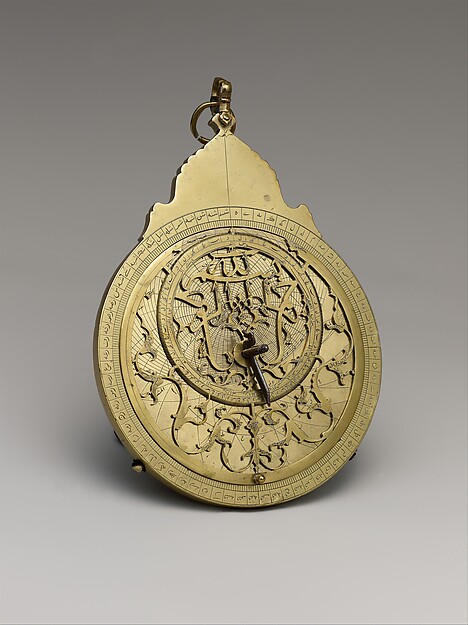
This page does not use a portrait, generated image, symbolic face, or thumbnail representation of Muhammad. That choice respects Muslim readers who avoid visual depiction of revered figures while recognizing that Muslim visual cultures are historically varied.
Devotional truth and historical reconstruction answer different questions. Muslims do not treat revelation, prophecy, or miracles as merely later stories; for Muslims, they are central religious truths, not merely narrative traditions. Historical writing can describe setting, source transmission, institutions, and later memory without pretending to prove or disprove sacred truth.
Classical Muslim scholarship was never passive memory. Sira compilers, hadith scholars, jurists, commentators, and teachers compared, transmitted, authenticated, rejected, interpreted, and taught reports about Muhammad's life; modern academic biography enters a field where Muslim scholars had already been analyzing sources for centuries.
The source trail is deliberately plain. Qur'an 96 anchors the first-revelation passage; Ibn Ishaq and Ibn Hisham carry major sira narrative; hadith collections such as al-Bukhari preserve remembered sayings and practices. Sira writing associated with Ibn Ishaq belongs to the eighth century and survives through later recension, while major hadith collections include ninth-century compilations such as al-Bukhari and Muslim.
Source mix in plain terms: Yaqeen Institute, Al-Islam.org, and the Institute of Ismaili Studies keep Muslim teaching, reverence, and living interpretation visible; reference works steady the chronology; specialist scholarship helps with harder questions such as source transmission, legal afterlives, gender debates, Medinan conflict, warfare reports, and modern polemic.
Attribution labels are meant to help readers, not slow them down. According to Islamic tradition points to Qur'an, sira, hadith, and Muslim teaching. Historians discuss or scholars debate points to modern work on chronology, source transmission, late antique Arabia, Medinan documents, military reports, gender, or polemical memory.
Relations with Medinan Jewish clans are treated as reported local conflicts in seventh-century Yathrib/Medina involving alliance, security, treaty language, and later legal memory. They are not used as claims about Jews, Christians, Muslims, or later communities as groups, and the wording avoids collective blame or a blanket defense of coercion.
Muslim tradition is used as a broad shared framing unless a difference is named. Succession after 632 is the main sensitive divergence: Sunni, Shi'i, Ismaili, Ibadi, and Sufi memories all revere Muhammad, but they emphasize authority, the Prophet's family, companions, leadership, law, or spiritual emulation differently. Modern historians also differ over how much confidence to place in Qur'anic evidence, late antique context, sira, hadith, and external references.
Evidence Notes
How Sensitive Claims Are Sourced
- 1
First revelation and Hira
The page treats the cave of Hira, Khadija's reassurance, and the opening command often translated as 'Read' or 'Recite' as Muslim biographical tradition and Qur'anic memory. Historical method describes source transmission and setting, while Muslim belief gives the episode sacred meaning.
- 2
Broad historical core
Claims about Muhammad's public career in western Arabia, the Meccan and Medinan settings, and leadership of the early Muslim community are framed as the broad historical core, while exact scenes and wording remain more source-dependent.
- 3
Devotional and ethical memory
Muslim traditions remember Muhammad through trustworthiness, mercy, care for the poor and orphaned, worship, restraint, and moral example. The page treats those emphases as part of the historical afterlife of the biography, not as decorative language added after conflict episodes.
- 4
Recurring attribution signposts
The page repeats four attribution labels so sacred belief, Muslim biographical transmission, modern historical inference, and contested evidence are not blended into one voice.
- 5
Medina, conflict, and local groups
Statements about Medina, Jewish clans, alliances, battles, punishment, and opponents are deliberately cautious and local: they concern Yathrib/Medina's alliance and security environment, not generalized claims about religious groups. Later sira reports, the Constitution of Medina, and U. Rubin's Cambridge Core article preserve different kinds of evidence and evaluation.
- 6
Qur'an, hadith, and later compilation
The page separates the Qur'an as sacred scripture from historical questions about collection, codex standardization, hadith compilation, and chains of transmission, especially for material preserved after Muhammad's lifetime.
- 7
Muslim diversity and succession memory
The succession and legacy sections name Sunni, Shi'i, Ismaili, Ibadi, and Sufi emphases so the page does not let one Muslim institution or one academic synthesis stand for all Muslim communities.
- 8
Modern contested biography topics
Military expeditions, relations with Medinan Jewish clans, treatment of opponents, slavery in seventh-century Arabia, reports about Aisha, and succession are identified as contested biography topics rather than used for apology or polemic.
- 9
Medinan Jewish clans
References to Banu Qaynuqa, Banu Nadir, and Banu Qurayza are treated as reported local conflicts in seventh-century Yathrib/Medina involving alliance, security, treaty language, and later legal memory, not as claims about Jewish communities across time.
- 10
Warfare and expeditions
Badr, Uhud, the trench crisis, Hudaybiyyah, and later expeditions are read through Muslim tradition, sira narrative, and modern military-history debate; the page avoids turning conflict into either devotional shorthand or hostile polemic.
- 11
Aisha, gender, and family memory
Reports about Aisha, marriage, gender, slavery, household life, and later legal use are introduced as source-dependent and heavily debated in modern biography, with Kecia Ali used to keep the topic attached to scholarship rather than polemic.
- 13
Succession and community memory
Succession after 632 is framed as later Sunni, Shi'i, Ismaili, Ibadi, and Sufi memory as well as an early political crisis, so one tradition is not made to stand for all Muslims.
- 14
Images and honorifics
The page uses no visual depiction of Muhammad and explains the site style on honorifics: concise academic naming is used for consistency, while devotional honorifics remain legitimate in Muslim religious contexts.
Why This Person Matters
Muhammad matters because his life is a central point of reference for one of the world's largest religious traditions and for the political history of late antique Arabia. For historical readers, the key is to see how a message preached in a local setting became a community with institutions, memory, law, and a calendar. For Muslim readers, that sequence is also a sacred model of revelation, mercy, trust, worship, and moral conduct. A responsible account can explain setting, evidence, and later memory while keeping theological judgment outside the task of historical overview.
How can a historical biography explain Muhammad's setting, leadership, and legacy while respecting why Muslims understand his life as sacred history?
How to Read This Life
Read this biography beside Beginning of Muhammad's Revelations and the Hijra to Medina. The first page keeps the opening scene in Mecca visible; the second shows why migration became a foundation for worship, community, calendar, and public authority.
Then move into Early Islam and Caliphates, Baghdad, Talas, Mansa Musa, and the Indian Ocean routes. That path shows how a founding life in western Arabia became part of wider Afro-Eurasian history through scripture, law, pilgrimage, scholarship, trade, and political power.
The strongest reading path does not run straight from revelation to conquest. It moves from household trust, preaching, protection, migration, treaty, conflict, worship, and community discipline into later questions that Muhammad's lifetime did not personally govern.
Start with the beginning of Islam, then read the Hijra. The first event explains preaching and opposition; the second explains why migration became a foundation for public community.
Move next into Early Islam and Caliphates, then outward to Baghdad, Talas, Mansa Musa, and Indian Ocean routes. The biography becomes clearer when founding memory and later institutions are held together.
Separate historical setting from theological judgment while recognizing why Muslims understand the life as sacred history.
Track how preaching, migration, alliance, worship, charity, conflict, and law formed a durable public community.
Notice when the page uses Qur'an, sira, hadith, classical Muslim scholarship, Muslim institutions, or modern historical study.
Keep Sunni, Shi'i, Ismaili, Ibadi, and Sufi emphases visible without making one tradition stand for all Muslims.
Follow how later Islamic law, scholarship, pilgrimage, politics, devotion, and reform kept returning to the founding life.
Track how belief, migration, alliance, worship, and law made a durable public order.
Read the Hijra as a founding movement from vulnerability into organization.
Ask how later communities used the founding life to answer new legal, political, and spiritual questions.
Legacy, Limits, and Memory
This page has a narrow promise: it explains historical setting, source families, public leadership, and later significance. It does not judge the truth of revelation, and it does not replace Muslim scholarship, teaching, worship, or devotional biography.
Muslim reverence is central to the subject. Sunni, Shi'i, Ismaili, Ibadi, and Sufi traditions share reverence for Muhammad while differing in emphasis around companions, the Prophet's family, imamate, just leadership, law, spiritual emulation, and succession after 632.
A few topics need special care because they are often pulled into modern polemic: conflict in Medina, relations with Jewish clans, treatment of opponents, slavery in seventh-century Arabia, family law, reports about Aisha, and succession. The page names them briefly, ties them to sources, and keeps them proportionate to the larger biography.
The source mix is not a ranking of belief. Qur'an, sira, hadith, classical Muslim scholarship, Muslim institutional references, and modern academic studies answer different questions, so the prose marks what kind of claim is being made before asking readers to compare interpretations.
The useful next question is how one founding life became a model across many cultures. Arabic recitation, pilgrimage, law, poetry, education, Sufi practice, political legitimacy, and reform movements all carried the example into settings far from Mecca and Medina.
The tone requires care. For many readers Muhammad is a sacred figure; for historical analysis he is also a leader in a specific social world. Context can be explained without flattening religious meaning.
The founding life is not an isolated Arabian episode. Its afterlife runs through law, worship, scholarship, governance, trade, pilgrimage, art, language, and political legitimacy across many regions.
Careful wording avoids two errors: using historical prose to adjudicate sacred truth, or phrasing Muslim tradition as if it were merely a later invention. Better language stays plain: according to Islamic tradition; Muslims understand; historians discuss; later sources preserve; scholars debate.
Later Islamic history brought real disagreement. Sunni traditions generally remember Abu Bakr and the early caliphs as legitimate successors; Shi'i traditions give central importance to Ali and the Prophet's family; Ibadi and other communities preserve their own accounts of just leadership and communal authority. Those differences need neutral wording because they are living religious memories, not only historical categories.
Diversity of emphasis is not limited to succession. Some Sunni teaching foregrounds hadith criticism and companion memory; Shi'i and Ismaili teaching often reads Muhammad's legacy through the Prophet's family and imamate; Sufi devotional traditions may center emulation, blessing, and spiritual intimacy; Ibadi memory gives special force to justice and accountability in leadership. Those lenses overlap, but they do not collapse into one view.
Scholars continue to differ over the reliability and dating of later biographical traditions. Some lean more heavily on Qur'anic evidence and late antique context; others make fuller use of sira and hadith materials. The safest wording marks source type and certainty instead of pretending all claims rest on the same kind of evidence.
Turning Points to Read Next
Beginning of Muhammad's Revelations
Islamic tradition places the first revelations to Muhammad near Mecca, beginning a religious movement that would transform Arabia and much of the wider world.
Hijra to Medina
Muhammad and his followers migrated from Mecca to Medina, creating a new community that linked religious authority with social and political organization.
Related Timeline
- c. 610 CEBeginning of Muhammad's Revelations
Islamic tradition places the first revelations to Muhammad near Mecca, beginning a religious movement that would transform Arabia and much of the wider world.
- 622 CEHijra to Medina
Muhammad and his followers migrated from Mecca to Medina, creating a new community that linked religious authority with social and political organization.
References
Where to Check the Facts
- The Metropolitan Museum of Art: The Birth of IslamMuseum reference for Muhammad's lifetime, revelation, the Hijra, and the rise of Islam.
- The Metropolitan Museum of Art: The Prophet Muhammad and the Origins of IslamMuseum curriculum reference for Muhammad, early Muslim community formation, and Islamic origins.
- Oxford University Press: Muhammad, A Very Short IntroductionSpecialist reference for balancing Muslim accounts of Muhammad's life with modern historical scholarship.
- Cambridge Core: The Cambridge Companion to MuhammadAcademic essay collection for Muhammad's biography, Arabian milieu, revelation of the Qur'an, early community, legacy, and memory.
- Harvard University Press: The Lives of MuhammadModern scholarly reference for how Muhammad's biographies have handled women, Medinan Jews, military encounters, polemic, devotion, and modern memory.
- Oxford Academic: Muhammad's Military ExpeditionsAcademic study of Muhammad's military expeditions through original Muslim sources and debates over narrative reliability.
- Institute of Ismaili Studies: The Prophet MuhammadMuslim institutional publication reference for Muhammad's religious significance, prophecy, and enduring influence.
- Quran.com: Surah Al-'AlaqPrimary religious text reference for the surah traditionally associated with the earliest revelations.
- Fordham Internet History Sourcebook: Ibn Ishaq's SiraTraditional biography reference for early Muslim accounts of Muhammad's life, Hira, Khadija, Mecca, and Medina.
- Encyclopaedia Britannica: Ibn IshaqReference for Ibn Ishaq's eighth-century biography tradition and its later recension through Ibn Hisham.
- Sunnah.com: Sahih al-BukhariReference point for al-Bukhari's ninth-century hadith compilation and its role in Sunni hadith tradition.
- Cambridge Core: Earliest Non-Muslim Writings on MuhammadAcademic reference for the limits and value of early non-Muslim references to Muhammad.
- Yaqeen Institute: Life of the ProphetMuslim scholarly and devotional seerah reference for Muhammad's life, character, and prophetic mission.
- Al-Islam.org: Prophet Muhammad from the Shi'ah PerspectiveShia perspective reference for Muhammad's prophetic role and later memory of leadership and the Prophet's family.
- Cambridge Core: Constitution of MedinaAcademic reference for Medina's community document, clan relations, legal framing, and the formation of the umma.
- Encyclopaedia Britannica: Qur'an Origin and CompilationReference for separating Muslim belief about revelation from historical questions about Qur'an collection and textual history.
- Yaqeen Institute: The Uthmanic CodexMuslim scholarly reference for traditional accounts of Qur'an preservation, codex standardization, and transmission.
- Encyclopaedia Britannica: MuhammadBiographical reference for Muhammad's life dates, roles, institutions, and historical setting.