Historical Role
Zhu Yuanzhang is most readable when his rise is kept close to the social wreckage of the fourteenth century. The future Hongwu emperor did not begin as an obvious dynastic founder. Poverty, famine, orphanhood, monastery life, rebellion against Yuan rule, and military coalition politics shaped the path from marginal survival to imperial command. That movement gives the Ming foundation a human scale before it becomes a state label.
The 1368 founding of the Ming was not simply a change of surname on the throne. Zhu had to turn rebel legitimacy into government: Nanjing became a capital, officials had to be disciplined, tax and labor systems had to be rebuilt, military colonies and registers mattered, and the new court had to persuade people that restoration after Mongol rule could also mean stricter central control.
His rule also shows the tension between recovery and suspicion. Zhu Yuanzhang wanted a durable agrarian order after war and dislocation, but he also feared powerful ministers, corrupt officials, hereditary military weakness, and elite networks outside his control. The result was a founder who could appear as restorer, lawgiver, disciplinarian, and violent autocrat in the same historical frame.
A stronger biography follows administration down to ordinary life. Land registration, household categories, labor obligations, military colonies, village responsibility systems, and severe anti-corruption campaigns were not background details. They were the mechanisms by which a former rebel tried to make a shattered country legible to the court. The founder's state appears not only in palace politics, but in tax records, granaries, military farms, county offices, and punishments that told officials what kind of dynasty this was going to be.
Zhu's suspicion also shaped the Ming after him. By weakening powerful ministers and tightening personal rule, he tried to prevent another cycle of elite capture and dynastic collapse. Yet that same distrust created its own long-term problems: emperors inherited a governing style that prized control, surveillance, moral discipline, and direct authority. Later Ming maritime ambition, fiscal strain, court faction, and eventual Qing conquest all read differently when the founding is not treated as a closed success story.
Zhu Yuanzhang helps connect individual action with wider historical change in Ming China. The biography works best when it keeps the surrounding world visible: authority, conflict, belief, reform, or discovery moved through decisions made under pressure.
The related events show how roles such as Ming founder, Rebel leader can be read through dates, places, institutions, and consequences rather than through reputation alone. The biography explains why this person matters, while the linked events explain what changed around them.
A richer reading starts with the limits around the person. Some figures acted through offices, armies, courts, laboratories, churches, parties, ships, trade networks, or protest movements; others became important because later communities turned their lives into symbols. The page therefore asks what this person could actually change, what was already moving before them, and which consequences later readers attached to the name.
Read the biography against absence as well. Many lives around Zhu Yuanzhang are less visible in the record: opponents, collaborators, family members, workers, soldiers, students, subjects, victims, translators, scribes, or local communities. Keeping those surrounding people in view makes the page less like a name card and more like an entry point into historical systems.
Zhu Yuanzhang also works as a navigation point. Open the linked event pages to see where the biography becomes chronology, then use the topic routes to test whether the same pattern appears beyond one life. That extra step matters because historical importance is rarely contained inside a single decision; it usually spreads through institutions, witnesses, opponents, imitators, and later arguments over memory.
Sources and Method
Source method: this page uses the Cambridge History of China and Ming foundation material to keep Zhu's biography tied to rebellion, Yuan collapse, Nanjing state-building, agrarian recovery, and bureaucratic discipline. The prose avoids treating the Ming as a sudden national restoration without the coercive institutions that made restoration possible.
Why This Person Matters
Zhu Yuanzhang matters because the connected events make a larger historical pattern easier to follow. The page links biography to consequences so readers can move from a life story into the wider atlas, compare the person with contemporaries, and understand why later memory kept returning to this figure. Zhu Yuanzhang matters because he makes the founding of the Ming dynasty less decorative and more political. His life connects social crisis, rebellion, legitimacy, agrarian rebuilding, capital formation, bureaucratic discipline, and the fear that a new dynasty could collapse if power escaped the founder's grasp.
What becomes clearer when this person's life is read through connected events instead of isolated biography, and where do the consequences outgrow the person?
How to Read This Life
Zhu Yuanzhang is easiest to understand when the biography is read beside Ming Dynasty Founded. Those events show the historical setting in motion: dates, places, institutions, conflict, and consequences give the life a structure that a short biography alone cannot provide.
The surrounding route crosses Ming China and locations such as Nanjing. That matters because influence rarely stays inside one person. It moves through offices, armies, movements, laws, texts, speeches, institutions, and later memory.
A useful reading path starts with the role labels, then opens the event pages to see what changed, and finally compares this person with other actors facing similar pressures.
For readers who arrive on a biography first, this page is meant to become a doorway rather than a stop. Read one paragraph for the answer, then use the turning points, topic routes, and event links to test whether the person's reputation matches the wider evidence.
Read Zhu beside Ming Dynasty Founded and then move to Zheng He's voyages and later Qing conquest. That route shows how a founder's suspicion, military organization, fiscal rebuilding, and claims of restoration shaped the choices later Ming rulers inherited.
Compare him with Qin Shi Huang and Kublai Khan. All three make readers ask how conquest or rebellion becomes administration, and why strong centralization can create both order and fear.
Then use the year and topic routes to widen the frame: 1368 is a date of dynastic foundation, but the deeper question is how postwar recovery, anti-Yuan legitimacy, agrarian order, and bureaucratic discipline became a durable Ming political language.
Read Zhu Yuanzhang through the roles of Ming founder, Rebel leader rather than as reputation alone.
Place the biography inside Ming China and the wider events linked below.
Ask which choices were personal and which were constrained by institutions or crisis.
Follow how later memory simplified, contested, or reused this person's role.
Ask how Zhu turned anti-Yuan rebellion into a claim that he was rebuilding proper order.
Track registers, officials, punishment, military colonies, and fiscal repair as tools of early Ming rule.
Read his harsh politics as part of a founder's fear that disorder could return through ministers and elites.
Look for registers, labor duties, land records, military farms, and village responsibility as the state at ground level.
Legacy, Limits, and Memory
A useful biography keeps scale in view. Zhu Yuanzhang mattered because individual choices met a wider structure: institutions, enemies, allies, audiences, technologies, beliefs, and inherited conflicts. The related event pages help separate personal agency from conditions that no single person controlled.
Memory is part of the biography too. Later readers often simplify a figure into a hero, villain, founder, reformer, conqueror, prophet, scientist, or symbol. Those labels can be helpful, but they become misleading when they hide conflict, compromise, exclusion, uncertainty, or the experiences of people outside the main biography.
For the next step, compare this life with a topic route rather than stopping at the name. If the same pattern appears across several figures, the reader has found a historical structure; if this person breaks the pattern, the contrast is usually where the most interesting question begins.
Zhu's memory is often pulled between peasant-emperor admiration and tyrant-founder criticism. The stronger reading keeps both together: his low origins mattered, but they did not make his rule gentle; his state-building was impressive, but it depended on surveillance, punishment, and a narrow view of political trust.
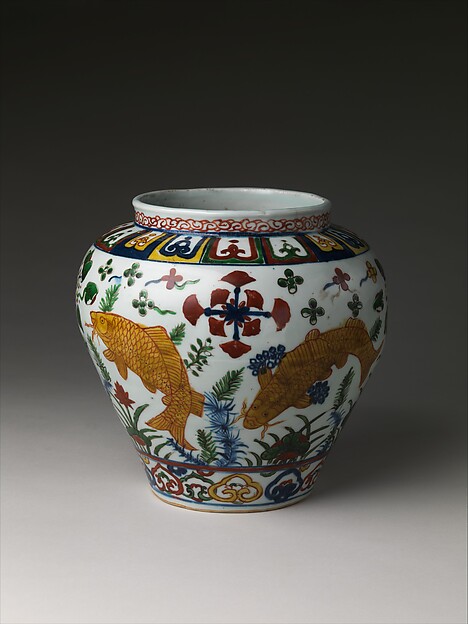
The biography also warns against using dynasty names as shortcuts. 'Ming' can sound like cultural brilliance, porcelain, voyages, and literary achievement, but the founding generation was preoccupied with land, taxes, armies, registers, punishments, and the aftermath of rebellion.
The most useful question is not whether Zhu was a good ruler or a bad one. It is why a ruler who had lived through disorder believed that harsh discipline was the only way to secure recovery, and how that belief shaped institutions long after his own reign.
Turning Points to Read Next
Ming Dynasty Founded
Zhu Yuanzhang founded the Ming dynasty after the collapse of Yuan rule, creating a new imperial order with strong central claims.
Related Timeline
- 1368Ming Dynasty Founded
Zhu Yuanzhang founded the Ming dynasty after the collapse of Yuan rule, creating a new imperial order with strong central claims.
References
Where to Check the Facts
- Cambridge University Press: The Cambridge History of ChinaSpecialist scholarly synthesis for Chinese dynastic, imperial, revolutionary, and Mao-era historical interpretation.
- Cambridge University Press: The Cambridge History of JapanSpecialist scholarly synthesis for Japanese state formation, Meiji transformation, imperial expansion, and modern political change.
- Harvard University Press: A New History of KoreaKorean-history scholarship reference for long Korean chronology, institutions, cultural history, colonial pressure, and modern change.
- Oxford Research Encyclopedia of Asian History: Meiji RevolutionPeer-reviewed reference for Meiji transformation as revolution, state centralization, social change, and contested modernization.
- Encyclopaedia Britannica: Ming dynastyReference for Ming restoration, government, maritime activity, and culture.
- Encyclopaedia Britannica: Qing dynastyReference for Qing conquest, imperial expansion, crisis, and reform.
- Official UNESCO World Heritage Centre: Historic Monuments of Ancient KyotoInstitutional reference for Kyoto's long capital history, court culture, temples, and urban memory.
- Official archive: Columbia Asia for Educators: Treaty of Nanjing excerptsPrimary-source teaching excerpt for the Treaty of Nanjing, treaty-port coercion, indemnity, and legal-commercial pressure after the Opium War.
- National Archives of Japan: Constitution of Japan and Meiji constitutional holdingsJapanese archival reference for Meiji constitutional state-building, imperial rescripts, and the legal language of modern reform.
- National Diet Library: Modern Japan in Archives - Japan's Annexation of KoreaJapanese archive reference for the 1910 annexation of Korea and the documentary trail behind Japanese colonial rule.
- National Institute of Korean History: Annals of the Choson DynastyKorean institutional reference for Joseon court records, dynastic governance, and Korean historical specificity inside the East Asia path.
- U.S. Office of the Historian: English translation of the 1910 Korea annexation treatyDiplomatic-document reference for treaty language around Japan's annexation of Korea and international reporting of colonial transition.
- Official archive: UK National Archives: May Fourth Movement 1919Primary-source archive material for May Fourth diplomacy, national equality language, and post-World War I Chinese protest context.
- Official archive: Hong Kong Basic Law official English textOfficial legal text for the Hong Kong handover framework, rights language, political structure, and sovereignty after 1997.